Provincial Licensing Nuances Shaping Secure Transactions for Mobile Roulette Sessions
Klara Walter · Aug 26, 2026
Provincial Licensing Nuances Shaping Secure Transactions for Mobile Roulette Sessions
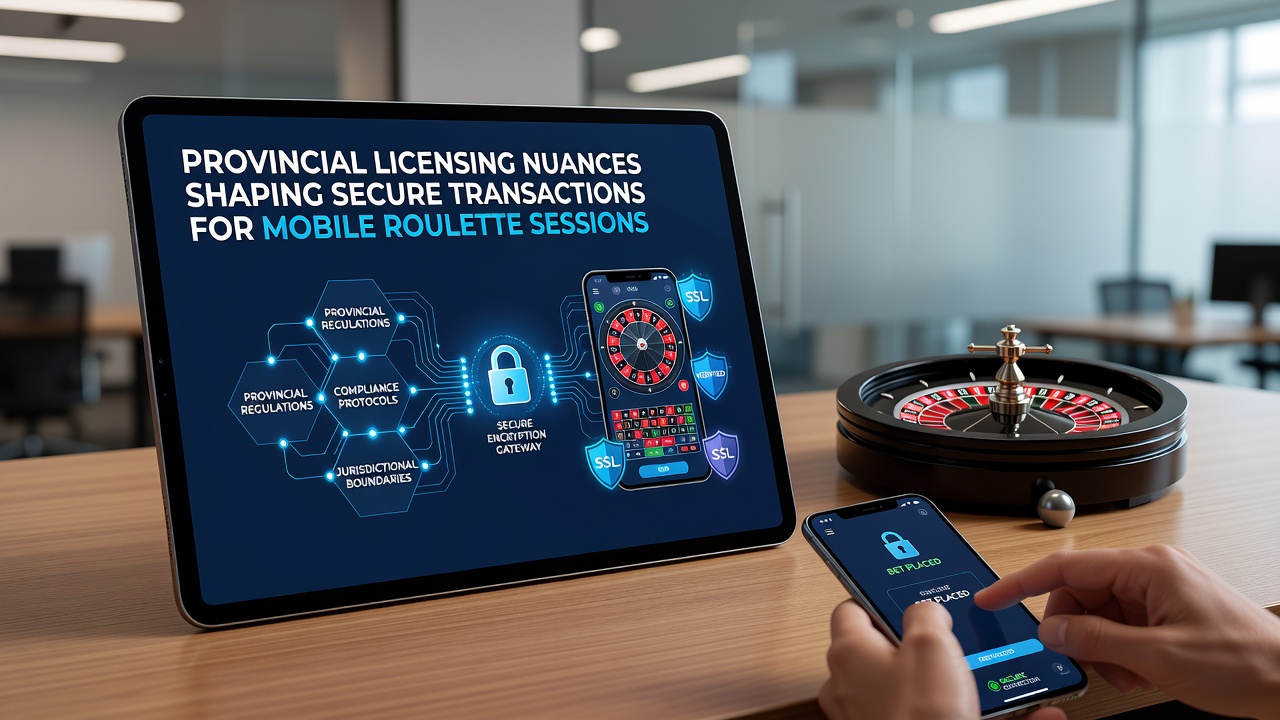
Canadian provinces maintain distinct licensing frameworks that directly influence how operators handle encrypted payment flows during mobile roulette sessions, and these rules continue to evolve with technological shifts in 2026. Observers note that each jurisdiction sets its own criteria for financial safeguards, encryption protocols, and audit requirements, which means operators must adapt their systems when players cross provincial boundaries or switch applications. Research indicates that these differences create layered compliance obligations rather than a single national standard, and the result shapes everything from tokenization methods to real-time verification steps during live betting rounds.
Regulatory Structures Across Key Provinces
Ontario operates under the Alcohol and Gaming Commission of Ontario guidelines that require licensed platforms to maintain PCI-DSS Level 1 certification while also implementing province-specific multi-factor authentication for every deposit tied to roulette wagers. Meanwhile Alberta relies on the Alberta Gaming, Liquor and Cannabis Commission to enforce similar encryption standards but adds mandatory annual penetration testing focused on mobile application vulnerabilities, and these tests often examine how session data travels between player devices and central servers during extended play periods. British Columbia follows yet another path through its Lottery Corporation, where licensing agreements emphasize continuous monitoring of transaction logs and immediate reporting of any anomalies detected in mobile roulette environments.
Those who track regulatory filings see that Saskatchewan and Manitoba apply lighter but still distinct oversight models, often referencing federal criminal code provisions while adding their own provincial stipulations around player fund segregation. Data from mid-2026 shows increased coordination between these smaller jurisdictions and larger ones, particularly when operators seek multi-province approvals that allow seamless mobile access without repeated security re-verification.
Transaction Security Protocols Driven by Licensing
Licensing conditions frequently dictate the precise cryptographic standards operators must deploy for mobile roulette transactions, and this includes requirements for end-to-end encryption plus regular key rotation schedules. Experts have observed that provinces with more stringent renewal processes tend to push operators toward advanced measures such as behavioral analytics that flag unusual betting patterns before funds transfer. Such requirements ensure that mobile sessions remain protected even when network conditions fluctuate or when players move between Wi-Fi and cellular connections.
One study released in August 2026 by an industry research group highlighted how licensing audits in Ontario and Alberta uncovered gaps in legacy payment gateways, prompting several operators to upgrade their mobile interfaces with newer tokenization layers. The same report noted that provinces requiring third-party security certifications saw fewer reported incidents involving unauthorized access during roulette gameplay compared with regions using internal review processes only.
Mobile-Specific Challenges and Adaptations
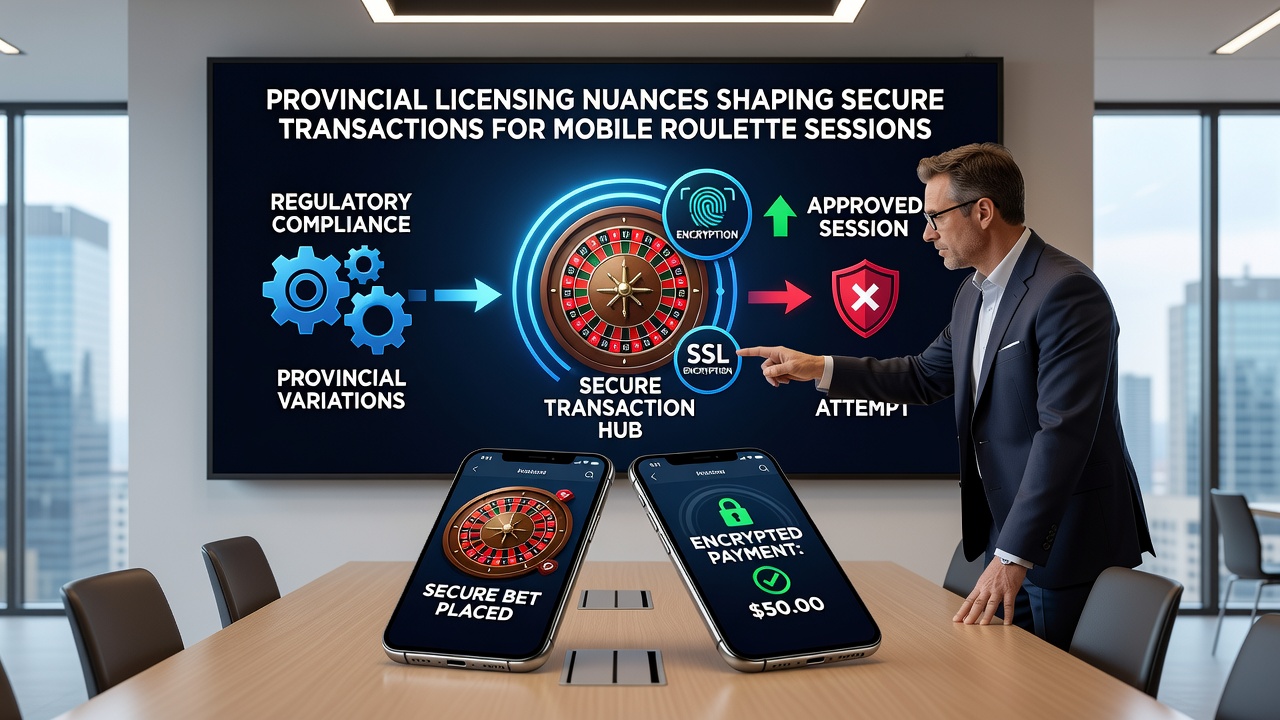
Mobile roulette introduces additional variables because session persistence depends on stable connections, and provincial rules often address how operators must handle interrupted transactions without exposing financial details. Observers point out that licensing agreements in several provinces now mandate automatic session locking after brief inactivity periods combined with biometric re-authentication upon return. These measures reduce risks associated with device sharing or theft while players remain engaged in extended betting sequences.
Operators licensed across multiple provinces frequently maintain separate compliance teams for each jurisdiction, and this structure helps them tailor security features like geo-fencing and device fingerprinting to satisfy local expectations. Research indicates that such segmentation has become standard practice as mobile usage for roulette continues to rise, with transaction volumes showing steady growth through the first half of 2026.
Inter-Provincial Comparisons and Emerging Patterns
Comparisons between provinces reveal that Ontario's emphasis on public reporting of security incidents contrasts with Quebec's focus on private audits conducted by approved firms, yet both approaches ultimately aim to protect player funds during mobile transactions. Data compiled by the Canadian Gaming Association reveals that provinces updating their licensing criteria in 2025 and 2026 tend to incorporate references to international standards such as those promoted by the International Association of Gaming Regulators, allowing operators greater flexibility when scaling mobile roulette offerings.
Those who examine licensing applications note recurring themes around responsible transaction limits and cooling-off mechanisms that apply specifically to mobile environments. These elements appear in most provincial frameworks, though the exact thresholds and implementation timelines vary, creating a patchwork that operators navigate through customized compliance platforms.
Conclusion
Provincial licensing continues to serve as the primary mechanism guiding secure transaction practices for mobile roulette across Canada, and the nuances between jurisdictions directly affect how operators design, test, and maintain their payment systems. Figures from regulatory bodies and industry reports demonstrate ongoing adaptation as new mobile technologies emerge and player expectations shift. Observers expect further refinements in licensing language throughout late 2026 as provinces respond to evolving security landscapes while maintaining distinct regional priorities.